
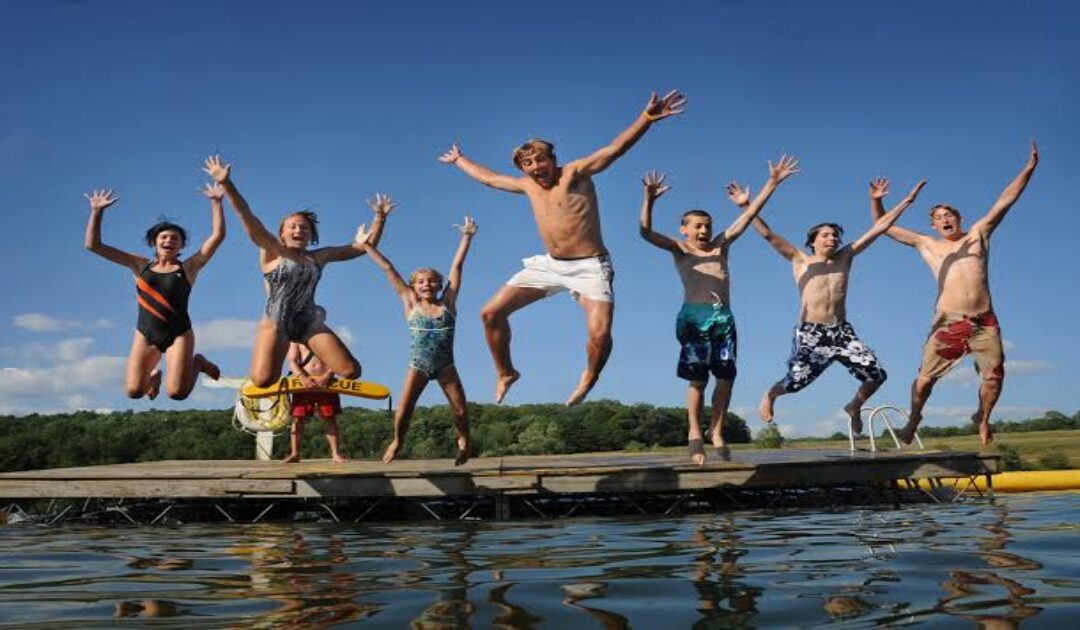
Summer holidays offer children an exciting opportunity to explore new interests, develop valuable skills, and enjoy meaningful experiences outside the classroom. A well-planned camp environment combines recreation, learning, creativity, and social interaction to make school breaks more rewarding. The best summer camps provide children with opportunities to participate in sports, artistic activities, outdoor adventures, and group challenges while building confidence and independence. These experiences encourage curiosity, strengthen friendships, and help young participants make lasting memories throughout their summer vacation.
Encouraging Children to Explore New Interests
Every child has different interests, talents, and ways of learning. Summer programs create opportunities to explore activities that may not always be available during the regular school year.
From creative workshops to outdoor games, children can experiment with different experiences and discover what they enjoy most.
Popular camp activities may include:
- Arts and Crafts: Painting, drawing, and creative projects that encourage imagination.
- Sports and Games: Activities that develop coordination, teamwork, and physical fitness.
- Music and Performance: Opportunities to explore rhythm, singing, and creative expression.
- Outdoor Adventures: Nature-based experiences that encourage curiosity and exploration.
Exposure to different activities helps children discover their strengths while developing confidence in trying something new.
Building Confidence Through New Experiences
Trying unfamiliar activities can help children become more comfortable with challenges and new situations. Whether learning a new sport, completing a creative project, or participating in a group activity, every experience provides an opportunity for personal growth.
A supportive camp environment encourages children to participate at their own pace, express their ideas, and celebrate their achievements.
Small accomplishments, such as mastering a new skill or completing a challenging activity, can gradually strengthen self-belief and independence.
Developing Teamwork and Meaningful Friendships
Social interaction is an important part of childhood development. Group activities allow children to communicate, cooperate, share ideas, and understand different perspectives.
During camp experiences, children often participate in team sports, collaborative games, and group projects that encourage positive relationships.
These activities help develop essential social skills, including:
- Respecting others and listening to different opinions.
- Sharing responsibilities during group activities.
- Communicating ideas clearly and confidently.
- Supporting teammates and celebrating shared achievements.
- Learning patience, cooperation, and fair play.
Such experiences help children build friendships and feel more comfortable participating in group environments.
Supporting Physical Activity and Healthy Habits
Keeping children physically active during school holidays is important for maintaining healthy routines. Recreational programs provide enjoyable ways to move, play, and develop physical abilities.
Activities such as swimming, basketball, soccer, running games, and outdoor challenges can help improve coordination, balance, strength, and endurance.
Regular participation in physical activities also introduces children to the importance of staying active. When exercise is combined with enjoyment and social interaction, children may become more interested in maintaining healthy habits beyond the summer season.
Creating Opportunities for Creativity and Learning
Learning does not have to stop when school closes for the holidays. Creative and educational camp activities give children opportunities to develop their imagination, explore new ideas, and strengthen problem-solving abilities.
Art projects, science-based activities, storytelling, music, and hands-on challenges can make learning enjoyable and interactive.
These experiences encourage children to:
- Think creatively and approach challenges in different ways.
- Develop curiosity through hands-on exploration.
- Express their thoughts through artistic activities.
- Improve concentration and decision-making skills.
A balanced combination of recreation and learning helps make summer holidays both entertaining and meaningful.
Providing a Safe and Supportive Environment
A positive camp experience begins with an environment where children feel comfortable, respected, and supported. Parents should consider the quality of supervision, activity arrangements, staff experience, and safety procedures when selecting a program.
Important features to look for include:
- Qualified and experienced camp staff.
- Age-appropriate activities and supervision.
- Clear safety guidelines and emergency procedures.
- Clean and well-maintained activity spaces.
- Opportunities for children with different interests and abilities.
A welcoming atmosphere helps children participate confidently while giving parents greater peace of mind.
Choosing Activities That Match Every Child’s Interests
Not every child enjoys the same type of activity. Some may prefer sports and outdoor adventures, while others may be more interested in arts, music, swimming, or creative workshops.
Parents can make the selection process easier by considering their child’s personality, interests, age, and comfort level.
Exploring different program options can help families find experiences that provide the right balance of enjoyment, learning, physical activity, and social development.
Conclusion
Summer holidays can become some of the most memorable moments of childhood when children have opportunities to explore, create, learn, and connect with others. The best summer camps bring together recreational activities, skill development, friendship, and personal growth in a supportive environment. By choosing programs that match children’s interests and encourage new experiences, families can make school breaks more meaningful while helping young participants develop confidence, independence, and valuable life skills.