
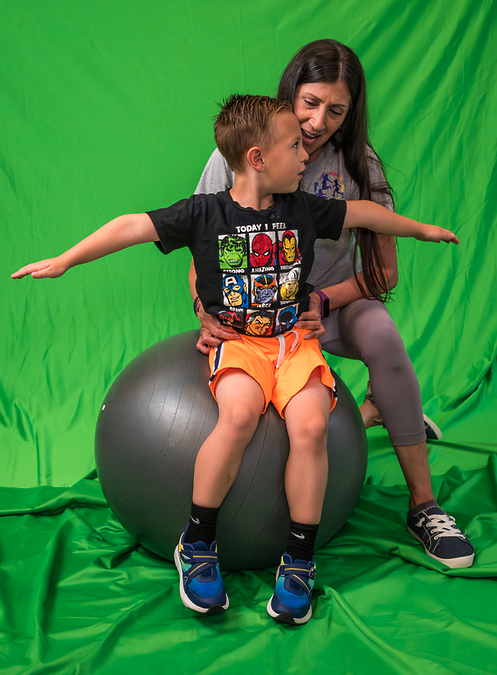
Every child develops at their own pace, learning new abilities through everyday experiences, play, and interactions with the people around them. From taking their first steps and speaking their first words to developing social skills and becoming more independent, early childhood is an important period of growth. However, some children may experience difficulties with communication, movement, sensory processing, or everyday activities. When these challenges affect their development, appropriate support can help them build essential skills
Early childhood intervention therapy provides developmental support for young children who may have delays or difficulties in reaching certain milestones. Through age-appropriate activities, individualised guidance, and family involvement, therapy encourages children to strengthen their abilities and participate more confidently in everyday life. Kids In Motion Therapies focuses on supporting children’s development through engaging, child-centred approaches that make learning enjoyable and meaningful.
Why Is Early Childhood Development So Important?
Early childhood is a significant stage for developing physical, cognitive, emotional, communication, and social abilities. During these years, children learn to explore their surroundings, understand instructions, express their needs, interact with others, and complete simple everyday activities.
Some children may need additional support to develop these abilities. For example, a child might find it difficult to communicate using words, maintain balance, hold objects, or participate in age-appropriate play. These challenges can sometimes affect their experiences at home, school, and in social environments.
Recognising developmental concerns early allows parents to understand their child’s individual needs and explore appropriate support. Early childhood intervention therapy creates opportunities for children to practise important skills and work towards developmental goals with professional guidance.
What Is Early Childhood Intervention Therapy?
Early childhood intervention therapy involves supportive services designed to help young children develop abilities that contribute to everyday participation and independence. It focuses on identifying areas where a child may benefit from additional guidance and introducing suitable activities to encourage progress.
Depending on individual needs, intervention may address speech and language development, physical movement, fine motor coordination, sensory processing, and self-care abilities.
Therapy sessions are often designed around a child’s age, interests, strengths, and developmental requirements. Activities may include movement games, storytelling, drawing, puzzles, sensory play, and exercises that encourage communication and coordination.
The goal is to make learning engaging while helping children develop functional skills that they can use in everyday situations.
How Can Early Intervention Support Communication Development?
Communication allows children to express their needs, share feelings, understand information, and build relationships. Developing speech and language abilities is an important part of early childhood growth.
Some children may experience difficulties with pronunciation, vocabulary, sentence formation, or understanding spoken instructions. These challenges can sometimes make it harder for them to communicate with family members, caregivers, and other children.
Speech therapy can help children strengthen receptive and expressive language skills through age-appropriate activities. Storytelling, picture recognition, naming games, and interactive conversations can encourage vocabulary development and improve communication.
Early childhood intervention therapy provides opportunities for children to practise these abilities in a supportive environment. With consistent guidance, children can gradually become more comfortable expressing themselves and interacting with others.
Why Are Motor Skills Important for Growing Children?
Motor skills help children explore their environment, participate in play, and complete everyday activities. Gross motor skills involve larger movements such as walking, running, jumping, and maintaining balance. Fine motor skills involve smaller movements, including holding pencils, picking up objects, and using utensils.
Some children may experience difficulties with coordination, muscle strength, balance, or controlled hand movements. These challenges can affect activities such as playing with toys, drawing, getting dressed, and participating in classroom tasks.
Physical and occupational therapy can support motor development through appropriate movement exercises and hands-on activities. Children may practise balancing, climbing, reaching, drawing, and manipulating objects according to their abilities.
Developing these skills can help children participate more comfortably in everyday routines and explore new activities with greater confidence.
How Can Occupational Therapy Encourage Everyday Independence?
Everyday activities provide children with opportunities to develop independence and confidence. Tasks such as washing hands, brushing teeth, eating with utensils, getting dressed, and organising personal belongings involve several developmental abilities.
Children experiencing difficulties with fine motor skills, sensory processing, or coordination may need additional support to complete these routines.
Occupational therapy focuses on improving the functional abilities children need for daily living. Therapists may introduce activities that strengthen hand control, improve coordination, and encourage sensory awareness.
Through early childhood intervention therapy, children can practise these skills gradually in an engaging environment. The focus is on helping them participate more independently in activities that are important to their daily lives.
What Role Does Sensory Development Play in Early Intervention?
Children use their senses to understand and respond to the world around them. Touch, sound, sight, taste, and movement all contribute to how they experience different environments.
Some children may be sensitive to loud noises, certain textures, bright lights, or unexpected movements. Others may seek additional movement or sensory experiences. These differences can influence their participation in everyday activities.
Occupational therapy may incorporate structured sensory activities based on a child’s individual needs. These experiences can help children explore different sensations and develop more comfortable ways of responding to their surroundings.
Understanding sensory preferences is an important part of creating supportive developmental experiences.
Why Is Family Involvement Important in Early Intervention?
Parents and caregivers play an important role in children’s development. Skills practised during therapy can be reinforced through everyday interactions and activities at home.
Reading together, playing with building blocks, drawing, singing songs, and encouraging independent routines can create valuable learning opportunities. These simple experiences allow children to practise communication, coordination, problem-solving, and self-care abilities.
Family involvement also helps therapists understand a child’s daily experiences and developmental priorities. When parents and professionals work together, children receive more consistent encouragement as they progress towards their individual goals.
Support Your Child’s Development with Kids In Motion Therapies
Every child deserves opportunities to learn, explore, and develop essential life skills. When developmental challenges arise, appropriate support can help children strengthen their abilities and participate more confidently in everyday experiences.
Kids In Motion Therapies focuses on children’s developmental needs through engaging, play-based, and child-centred therapeutic experiences. Its services include occupational therapy, physical therapy, and speech therapy, supporting different areas of childhood development.
Through individualised guidance and family-focused care, the practice aims to help children develop functional abilities, improve participation, and work towards greater independence.
Give Your Child a Positive Start Towards Growth
Supporting development from an early age can provide children with valuable opportunities to practise essential skills and overcome everyday challenges. Early childhood intervention therapy offers a structured way to address individual developmental needs while encouraging learning, confidence, and independence.
If you have concerns about your child’s developmental progress, seeking professional guidance can be a positive first step. With appropriate therapy, family involvement, and consistent encouragement, children can continue building the skills they need to explore their potential and participate more comfortably in everyday life.