
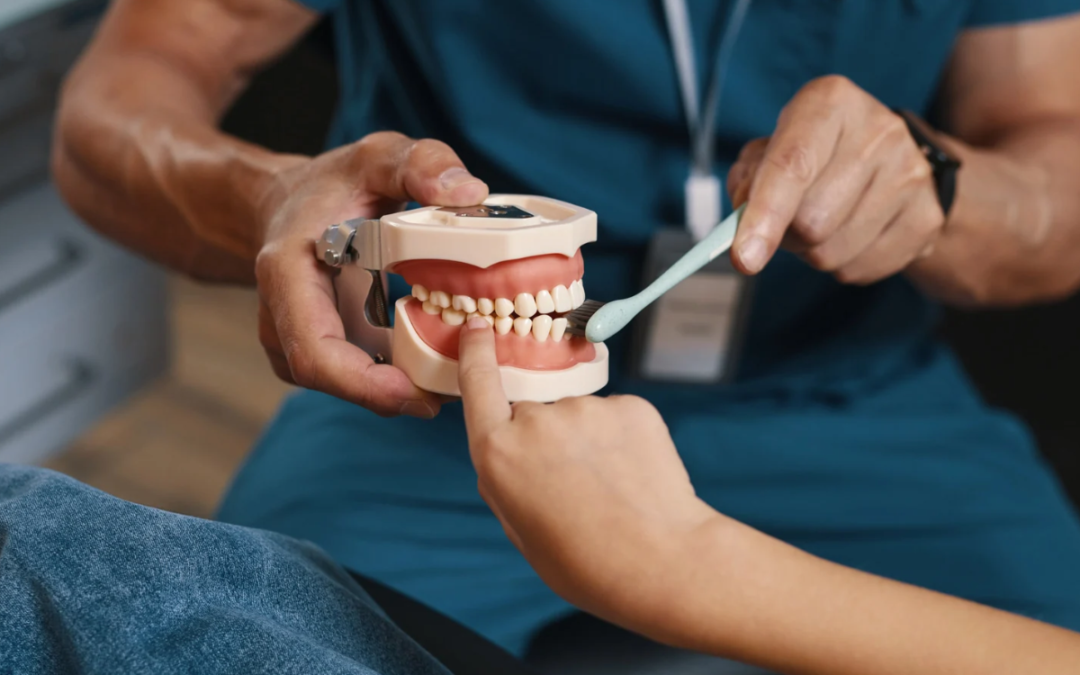
Modern dentistry involves much more than examining teeth and treating toothache. Patients today can explore a variety of services designed to protect oral health, repair damaged teeth, replace missing teeth and improve the appearance of their smiles. Understanding these treatment categories can help people recognise when to seek professional advice and what questions to ask during an appointment. For anyone researching a Hounslow dental practice, learning about the range of modern dental treatments is a useful starting point when comparing local care options.
Routine Check-Ups and Early Detection
Regular dental examinations help monitor the condition of teeth, gums and other areas of the mouth. Some dental problems, including early decay and gum disease, may not cause noticeable discomfort at first. A check-up gives the dentist an opportunity to identify possible concerns and discuss whether monitoring, preventive care or treatment is needed.
The frequency of appointments depends on individual oral health needs. Patients with a history of gum disease, frequent decay or other risk factors may need more regular reviews than those with stable oral health.
A dental examination may also include questions about sensitivity, discomfort, changes in the bite and any concerns about existing fillings or crowns. Where appropriate, digital X-rays can provide additional information to support diagnosis.
Dental Hygiene and Preventative Treatments
Professional dental hygiene is an important part of maintaining healthy gums. Plaque can collect around the gumline and between teeth, while hardened tartar cannot usually be removed with a normal toothbrush. A professional cleaning appointment helps remove these deposits and may also reduce certain surface stains.
Patients can receive personalised advice about brushing, interdental cleaning and habits that affect oral health. Preventative treatments such as fluoride applications or fissure sealants may be discussed when clinically suitable.
These appointments are not only about having cleaner teeth. They can also help patients understand the condition of their gums and recognise signs such as bleeding, swelling or persistent bad breath that may need further assessment.
Restorative Treatments for Damaged Teeth
Restorative dentistry aims to repair teeth and help them function comfortably. Tooth-coloured fillings may be used to restore teeth affected by decay. When a tooth has lost a significant amount of structure, a dental crown may be recommended to cover and protect it.
Root canal treatment may be an option when the pulp inside a tooth becomes inflamed or infected. The procedure involves treating the affected internal tissue and sealing the tooth, with the aim of retaining it where possible.
Patients who have lost one or more teeth may also discuss dentures, bridges or other replacement options. The choice depends on oral health, the position of the missing tooth, the condition of neighbouring teeth and the patient’s preferences.
Cosmetic Treatments for Smile Confidence
Cosmetic dentistry focuses on improving the appearance of teeth while taking oral health into account. Professional teeth whitening may help lighten natural teeth affected by certain types of discolouration. Composite bonding can repair small chips, improve uneven edges or change the shape of selected teeth.
Veneers may be considered when patients want to alter the visible surface of teeth. However, they are not suitable for every situation and may involve removing some natural enamel. A dentist should explain less invasive alternatives where appropriate.
The most suitable cosmetic option depends on the cause of the concern, the condition of the teeth and the patient’s expectations. A careful assessment helps avoid choosing a treatment based on appearance alone.
Choosing a Practice That Meets Your Needs
When comparing a dental practice, patients should check the treatments available, the clinician’s experience, appointment arrangements and how treatment costs are explained. It is also important to feel comfortable asking questions and discussing concerns. People searching for a Hounslow dental practice may also compare practices in nearby West London areas. Before booking, check the exact location and travel arrangements rather than assuming that a practice is situated within Hounslow itself. A useful consultation should provide a clear understanding of the patient’s dental condition, available options and any recommended next steps.
Conclusion
Modern dental care includes prevention, diagnosis, restoration and cosmetic treatment. Understanding these options helps patients make informed decisions and maintain a consistent approach to oral health. For people comparing dental services around Hounslow and neighbouring areas, Dentael, based in Perivale, Greenford, provides dental hygiene, preventative treatments, composite bonding, teeth whitening, crowns, veneers and restorative care. Patients can contact the practice to confirm its location, availability and suitability for their dental needs.