

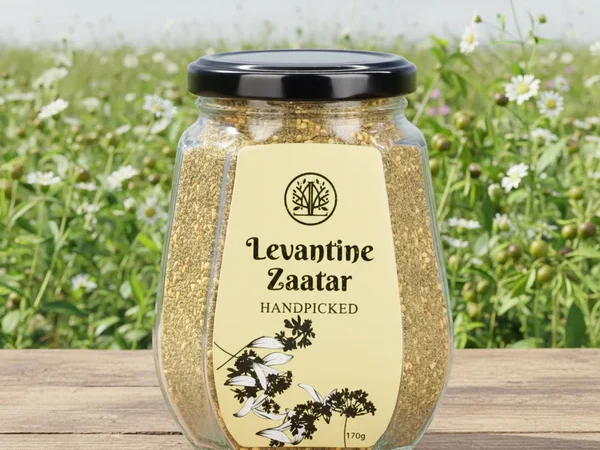

Mediterranean cuisine is celebrated for its vibrant flavors, fresh ingredients, and centuries-old culinary traditions. Among the many iconic ingredients used throughout the region, zaatar holds a special place. This aromatic spice mix has been a staple in Levantine kitchens for generations, known for its earthy aroma and rich, tangy taste. Today, as Mediterranean cooking gains popularity around the world, many food lovers are discovering the unique flavor of the mediterranean zaatar blend.
However, with growing demand, many commercial versions of zaatar have appeared on the market, and not all of them reflect the authentic traditions of the Levant. Understanding how to identify a genuine mediterranean zaatar blend can help you bring real Mediterranean flavor into your cooking.
What Is Zaatar?
Table of Contents
Zaatar is a traditional herb and spice mixture that originates from the Levant region, including countries such as Lebanon, Syria, Palestine, and Jordan. For centuries, families have prepared their own variations of this blend, passing down recipes through generations.
A classic mediterranean zaatar blend usually includes a combination of dried wild thyme or oregano, toasted sesame seeds, tangy sumac, and a pinch of salt. These ingredients create a well-balanced flavor profile that is herbal, nutty, and slightly citrusy.
In many Mediterranean households, zaatar is more than just a seasoning. It is a symbol of culture and tradition, often enjoyed with fresh bread and olive oil as a simple yet flavorful meal.
Key Ingredients of an Authentic Blend
One of the best ways to identify a genuine mediterranean zaatar blend is by examining its ingredients. Authentic blends focus on a small number of high-quality herbs and spices rather than unnecessary fillers.
Wild thyme or oregano forms the base of traditional zaatar, giving it its distinctive earthy aroma. Sumac adds a bright, tangy flavor that balances the herbs, while toasted sesame seeds provide texture and a subtle nutty taste.
High-quality blends maintain this balance without overwhelming the mixture with salt or other inexpensive ingredients. When these elements come together in the right proportions, they create the authentic flavor that has defined Mediterranean cuisine for centuries.
The Importance of Freshness and Quality
Just like many herbs and spices, the quality of zaatar depends greatly on freshness. A good mediterranean zaatar blend should have a vibrant aroma and a deep green color from the herbs.
Freshly prepared zaatar offers a much stronger and more complex flavor compared to blends that have been sitting on store shelves for long periods. The sesame seeds should also appear lightly toasted and aromatic, enhancing the blend’s overall character.
Choosing a high-quality product from a trusted source ensures that the herbs have been carefully selected and properly blended to maintain authenticity.
How Zaatar Is Used in Mediterranean Cooking
One of the reasons the mediterranean zaatar blend is loved worldwide is its incredible versatility. It can be used in many ways to enhance both traditional and modern dishes.
A classic preparation involves mixing zaatar with olive oil and spreading it over flatbread before baking. This simple dish, often called manakish, is a beloved breakfast or snack throughout the Levant.
Zaatar also works wonderfully as a seasoning for roasted vegetables, grilled chicken, fish, or lamb. It can even be sprinkled over salads, hummus, or yogurt dips to add a distinctive Mediterranean touch.
Because of its balanced flavor, zaatar can transform everyday ingredients into dishes that feel both comforting and exciting.
Why Authentic Zaatar Matters
As global interest in Mediterranean cuisine continues to grow, many people are searching for authentic ingredients that capture the true flavors of the region. Choosing a genuine mediterranean zaatar blend allows you to experience the traditions and culinary heritage behind this beloved spice mix.
Authentic zaatar reflects the natural ingredients, craftsmanship, and cultural history that make Mediterranean food so special. It brings depth and character to simple meals while honoring the traditions that have shaped Levantine cooking for generations.
Conclusion
Zaatar is far more than just a seasoning—it is a symbol of Mediterranean heritage and a cornerstone of Levantine cuisine. By understanding the ingredients, freshness, and balance that define a true mediterranean zaatar blend, you can ensure that the flavors in your kitchen remain authentic and vibrant.
Whether enjoyed with olive oil and bread or used to season a variety of dishes, zaatar offers a simple way to bring Mediterranean flavor to everyday cooking. For those who value authentic ingredients and traditional recipes, carefully crafted blends from trusted producers like Levantine Goods provide an excellent way to experience the true taste of the Mediterranean.


