
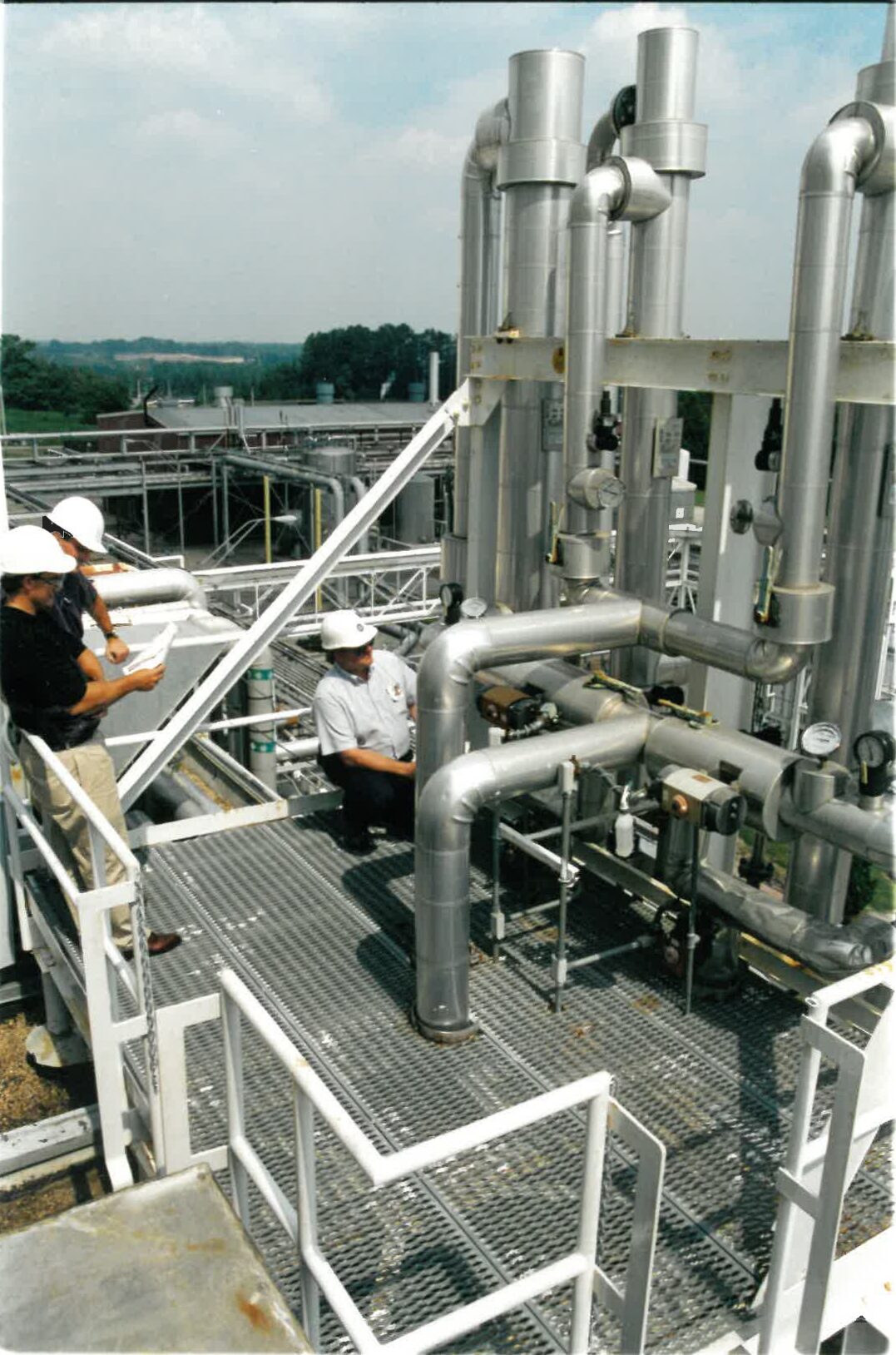
In high-performance industrial environments, vacuum systems are not just auxiliary equipment—they are mission-critical. Leading vacuum manufacturers USA rely on advanced engineering methodologies to design multi-stage steam ejector systems that deliver consistent vacuum levels, energy efficiency, and long-term reliability.
Among such specialists, Croll Reynolds represents the kind of engineering-driven organization that focuses on custom-designed vacuum and thermal systems rather than standardized solutions. This distinction is central to how modern multi-stage ejector systems are conceived and optimized.
Understanding Multi-Stage Steam Ejector Systems
A multi-stage steam ejector system uses high-pressure motive steam to entrain process gases and progressively reduce pressure across multiple stages. Each stage is paired with condensers to remove vapors and improve efficiency.
Why multiple stages?
Single-stage systems are limited in achievable vacuum levels. Multi-stage configurations allow:
- Deeper vacuum levels
- Improved thermodynamic efficiency
- Better handling of large gas loads
This makes them ideal for:
- Refineries
- Chemical processing
- Power generation
- Vacuum distillation systems
The Engineering Approach Used by Vacuum Manufacturers USA
Designing an efficient multi-stage ejector system is not a catalog-based exercise. It requires process-specific engineering, where every parameter is tailored.
1. Process Data Analysis
The foundation of system design begins with a detailed understanding of:
- Suction pressure requirements
- Gas composition
- Flow rates
- Temperature conditions
- Condensable vs. non-condensable loads
Vacuum manufacturers USA use this data to define:
- Number of stages required
- Steam consumption targets
- Condenser configuration
2. Stage Configuration Optimization
Each stage in a multi-stage system performs a specific pressure reduction function.
Key design considerations include:
- Compression ratio per stage
- Inter-stage pressure balancing
- Minimizing shock losses
Efficient manufacturers avoid overdesign by:
- Distributing load evenly across stages
- Preventing excessive steam usage
- Ensuring stable operation under variable loads
3. Condenser Integration
Condensers are critical in multi-stage systems because they:
- Remove condensable vapors
- Reduce load on downstream stages
- Improve overall system efficiency
There are typically two types:
- Surface condensers
- Direct contact condensers
The selection depends on:
- Process contamination risks
- Cooling water availability
- Thermal efficiency goals
Proper integration of condensers can significantly reduce steam consumption, which is a major operating cost driver.
Role of Steam in System Efficiency
Steam is both the driving force and the primary energy input in ejector systems.
Efficiency depends on:
- Steam pressure and temperature
- Nozzle design
- Expansion efficiency
Advanced vacuum manufacturers USA focus on:
- Precision nozzle geometry
- Optimized steam expansion
- Minimal energy losses
This ensures:
- Maximum entrainment efficiency
- Reduced steam consumption per unit of vacuum generated
Hybridization: The Modern Design Trend
A growing trend among vacuum manufacturers USA is the use of hybrid vacuum systems, combining:
- Steam ejectors
- Liquid ring vacuum pumps
Why hybrid systems?
They provide:
- Lower steam consumption
- Improved turndown capability
- Better performance under fluctuating loads
Instead of relying entirely on steam, hybrid systems shift part of the load to mechanical components, improving overall lifecycle efficiency.
Material Selection and Durability
Industrial environments often involve:
- Corrosive gases
- High temperatures
- Moisture-laden streams
Vacuum manufacturers must select materials that ensure:
- Corrosion resistance
- Mechanical integrity
- Long operational life
Typical considerations:
- Stainless steels for corrosion resistance
- Specialized alloys for aggressive environments
- Coatings for extended durability
Simulation and Performance Validation
Modern system design goes beyond empirical methods.
Advanced tools include:
- Computational modeling
- Flow simulation
- Thermal analysis
These tools help:
- Predict system behavior
- Optimize geometry
- Validate performance before fabrication
Post-manufacturing, systems are often tested to ensure:
- Design vacuum levels are achieved
- Steam consumption aligns with projections
- System stability under load variations
Lifecycle Support: Beyond Design
Efficiency is not just about initial design, it extends across the system’s lifecycle.
Leading vacuum manufacturers USA provide:
- Installation supervision
- Commissioning support
- Troubleshooting and diagnostics
- System revamps and upgrades
- Spare parts and maintenance services
Why this matters:
Even a well-designed system can lose efficiency due to:
- Fouling
- Wear and tear
- Process changes
Ongoing support ensures:
- Sustained performance
- Reduced downtime
- Lower total cost of ownership
Common Efficiency Challenges (and how they’re Solved)
1. Excessive Steam Consumption
Cause: Poor stage design or improper load distribution
Solution: Re-optimization of stage configuration and nozzle design
2. Loss of Vacuum Performance
Cause: Air leaks or condenser inefficiency
Solution: System diagnostics and condenser redesign
3. Fluctuating Process Loads
Cause: Variable plant operations
Solution: Hybrid systems or flexible stage design
What Sets Advanced Vacuum Manufacturers USA Apart
Not all manufacturers operate at the same level. High-performance providers distinguish themselves through:
- Custom engineering capability
- Integrated system design (ejectors + condensers + pumps)
- In-house testing and validation
- Deep industry experience
- Global project execution capability
These factors directly influence:
- System efficiency
- Reliability
- Long-term operational cost
Final Thoughts
Designing multi-stage steam ejector systems for maximum efficiency is a multi-disciplinary engineering challenge. It requires expertise in:
- Thermodynamics
- Fluid mechanics
- Heat transfer
- Process integration
The best vacuum manufacturers USA approach this challenge through precision engineering, advanced modeling, and lifecycle support, ensuring that each system is optimized for its specific industrial application. Croll Reynolds exemplifies this approach through its focus on custom-engineered vacuum and thermal solutions tailored to complex industrial requirements. If you’re evaluating vacuum manufacturers USA for a new project or looking to optimize an existing system, partnering with an experienced engineering firm like Croll Reynolds can make a measurable difference in efficiency and cost.