
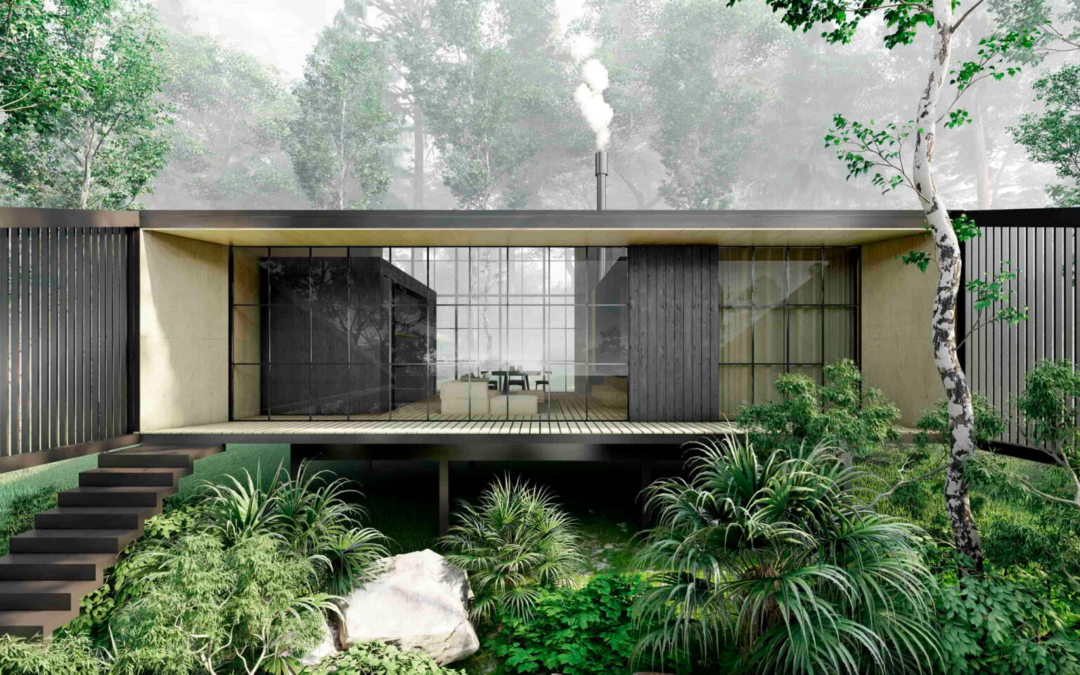
Luxury has long been associated with exclusivity, exceptional craftsmanship, and timeless aesthetics. Today, however, it carries a broader meaning. Clients are increasingly seeking spaces that not only reflect sophistication but also demonstrate environmental responsibility. Thoughtful design now considers how materials are sourced, how spaces perform over time, and how interiors contribute to the wellbeing of both people and the planet.
At Voidcr, we believe that exceptional design should create positive, lasting value without compromising beauty or comfort. Through interior design Costa Rica, projects can embrace regenerative thinking, local identity, and refined craftsmanship while delivering elegant environments that stand the test of time. Environmental responsibility is not a limitation on luxuryit is an opportunity to redefine it through intentional design decisions.
Redefining Luxury Through Purposeful Design
Luxury is no longer measured solely by rare materials or elaborate finishes. Instead, it is increasingly defined by authenticity, longevity, and meaningful experiences. A well-designed interior should enhance everyday life while respecting the natural systems that support it.
Purposeful design focuses on creating spaces that remain relevant for decades rather than following short-lived trends. Timeless proportions, quality craftsmanship, and adaptable layouts reduce the need for frequent renovations, helping minimize waste while preserving aesthetic value.
When every design decision is guided by intention, luxury becomes more than visual appealit becomes a reflection of responsible living.
Selecting Materials with Long-Term Value
Material selection has one of the greatest influences on the environmental impact of an interior. Choosing durable, responsibly sourced materials helps reduce resource consumption and extends the life cycle of a project.
Natural stone, responsibly harvested timber, recycled metals, and low-impact finishes provide exceptional durability while maintaining refined aesthetics. These materials often age beautifully, developing character over time rather than requiring replacement.
Beyond durability, selecting locally available materials helps reduce transportation impacts while celebrating regional craftsmanship. This approach strengthens connections between architecture, culture, and the surrounding landscape.
Designing for Longevity Instead of Trends
One of the most sustainable design strategies is creating interiors that remain timeless. Rapidly changing design trends often encourage unnecessary renovations and replacement of furniture, finishes, and decorative elements. A timeless interior, by contrast, continues to feel elegant regardless of changing fashions.
Balanced proportions, neutral palettes, carefully curated textures, and flexible spatial planning allow interiors to evolve naturally with their occupants instead of requiring complete redesigns every few years.
Maximizing Natural Light
Natural light is a defining element of high-quality interiors. It improves visual comfort, supports wellbeing, and reduces dependence on artificial lighting during the day.
Thoughtful orientation, generous glazing, interior courtyards, and carefully positioned openings distribute daylight throughout interior spaces while maintaining thermal comfort.
Rather than relying on excessive artificial illumination, designers can create sophisticated environments where light becomes an architectural feature that changes throughout the day, enriching the experience of every room.
Creating Healthy Interior Environments
Environmental responsibility extends beyond resource conservationit also includes creating healthier spaces for occupants.
Indoor air quality, natural ventilation, acoustic comfort, and non-toxic finishes all contribute to healthier living environments. Selecting materials with low emissions helps improve indoor air quality while reducing exposure to harmful chemicals.
Natural ventilation strategies further enhance comfort by encouraging continuous airflow, reducing dependence on mechanical systems where climate conditions allow.
Integrating Nature into Interior Spaces
The relationship between architecture and nature plays a fundamental role in regenerative design. Interior environments benefit from visual and physical connections with surrounding landscapes through gardens, courtyards, terraces, and carefully framed views. Natural materials, organic textures, and vegetation reinforce this connection while creating calming, restorative environments.
Rather than treating landscape as a separate element, successful projects integrate indoor and outdoor experiences into one continuous spatial journey.
Energy-Conscious Design Strategies
Luxury interiors can also perform efficiently through intelligent design decisions. Carefully considered layouts improve airflow and thermal comfort. High-performance glazing, shading systems, and appropriate insulation reduce energy demand while maintaining interior comfort throughout changing seasons.
Efficient lighting systems, integrated controls, and thoughtfully selected appliances further reduce operational energy consumption without affecting the elegance of the space.
Craftsmanship That Lasts
Custom joinery, carefully detailed finishes, handcrafted furniture, and precision construction contribute to interiors that remain functional and beautiful over time.
Investing in quality craftsmanship reduces the likelihood of premature replacement while supporting skilled artisans and local industries. Every carefully executed detail contributes to the longevity of a project and reinforces the value of thoughtful design.
Flexible Spaces for Changing Lifestyles
Homes and hospitality environments continue to evolve as lifestyles change. Flexible interiors allow spaces to accommodate new technologies, family needs, remote work, or changing patterns of use without requiring extensive reconstruction.
Adaptable layouts, modular furnishings, and multifunctional spaces extend the lifespan of an interior while minimizing material waste associated with future renovations.
A Holistic Vision of Environmental Responsibility
Responsible interior design is not achieved through a single sustainable product or certification. It results from a comprehensive approach where every decisionfrom planning and material selection to lighting, craftsmanship, and spatial organizationcontributes to environmental performance.
This holistic perspective recognizes that beautiful interiors can restore connections between people, architecture, and the natural world while supporting long-term resilience. Luxury becomes more meaningful when it is measured not only by appearance but also by the positive impact it creates over time.
Conclusion
Environmental responsibility and luxury are no longer opposing ideas. Together, they represent the future of thoughtful design one where elegance is defined by quality, longevity, wellbeing, and respect for the environment. By prioritizing timeless solutions, durable materials, healthy indoor environments, and meaningful connections with nature, interiors can deliver exceptional experiences while reducing their environmental footprint.
At Voidcr, our approach to interior design Costa Rica reflects this philosophy, creating refined spaces that celebrate craftsmanship, respond to their surroundings, and contribute to a more regenerative future. We believe that the most luxurious interiors are those that leave a lasting impression on the people who experience them while creating lasting value for the environment they inhabit.