
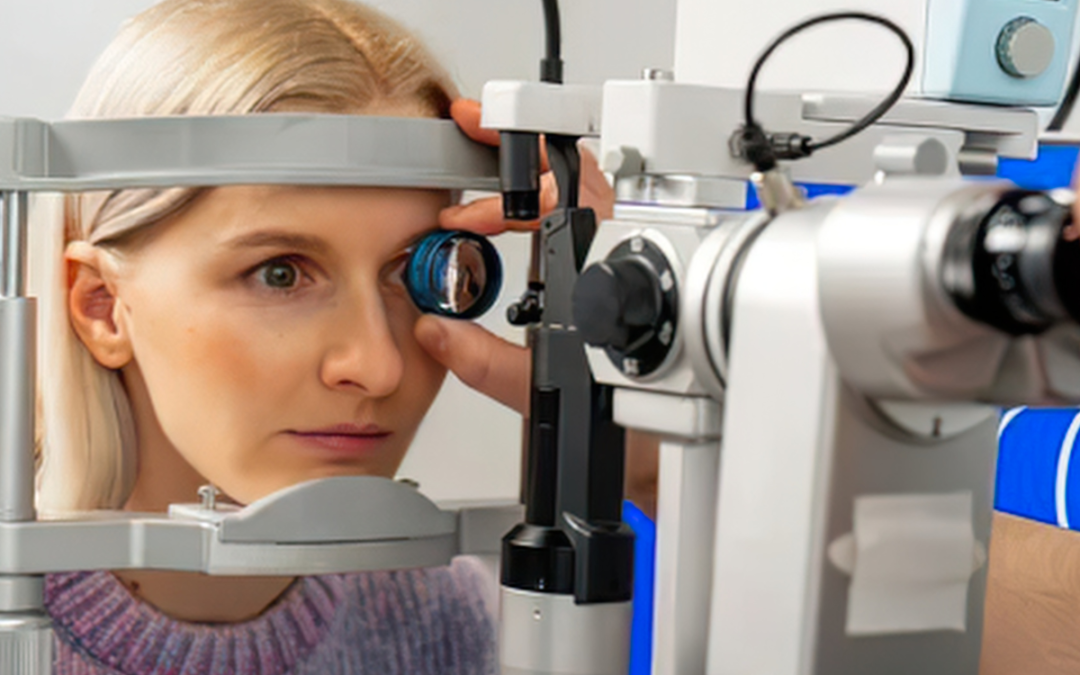
A lot of folks end up scheduling an eye appointment just when they start seeing blurry vision, or when they feel like they need a stronger prescription, you know. Sure, updating corrective lenses is a big part of eye care, but it s only one piece of the overall picture for keeping your sight steady. Just as crucial is watching how your eyes change as time goes on. Often those slow shifts in eyesight and eye health happen quietly, without clear signs or any real symptoms, so regular check ins end up being a key part of prevention.
Your eyes, basically like the rest of your body, keep shifting across life. Age, lifestyle choices, medical background, and even environmental conditions can all affect how your eyes work. When you maintain a steady log of those changes, eye care professionals can spot trends sooner, catch potential issues earlier, and offer advice that helps your long run visual well being stay on track.
Vision Is Constantly Evolving
A lot of folks think their vision is going to stay the same for years but, honestly, small shifts can show up way sooner than people plan for. The tricky part is that they can build up so slowly that your brain just sort of, adapts, and then you hardly notice them day to day.
There are a few common signs though, like Reduced focusing ability for near work, or difficulty switching your eyes between bright spaces and dim rooms. You might also see Mild changes in seeing far away, plus more visual tiredness after screen time. And for driving, glare sensitivity can creep up, making headlights feel more harsh than before.
Since these things usually unfold in gradual steps, it helps to compare what your eyes are like today with earlier eye exam Oshawa results. That kind of context can’t really be picked up from just one appointment alone.
Why Eye Health History Matters
One thorough checkup gives you a quick snapshot of your eye health, but honestly a set of exams makes a timeline. That record lets eye care professionals track how your eyes are shifting and decide if the shifts match the normal aging routine, or if they need a bit more attention.
A full background might cover:
- Prescription stability
- Eye pressure measurements
- Retinal photographs
- Optic nerve appearance
- Peripheral vision performance
- Overall visual function
When this kind of info is on hand across several years, it helps clinicians make better choices, and supports more tailored eye care.
Small Changes Can Have a Big Impact
Vision influences nearly every daily activity. Even minor changes can gradually affect comfort and performance without immediately becoming obvious.
For example:
Reading and Close Work
You may find yourself holding books farther away or needing brighter lighting without realizing your eyes are working harder than before.
Digital Devices
Extended computer and smartphone use places continuous focusing demands on your eyes. Small vision changes may contribute to eye strain, reduced concentration, and visual fatigue throughout the day.
Driving
Night driving often becomes more challenging before people notice changes during daytime activities. Increased glare, reduced contrast sensitivity, and slower focusing can all affect driving confidence.
Active Lifestyles
Whether playing sports, exercising, or enjoying outdoor activities, clear and comfortable vision contributes to better coordination, balance, and overall performance.
Looking Beyond Prescription Updates
Vision kind of sneaks into nearly every ordinary thing you do each day. Honestly, even small shifts can stack up over time and change how comfortable you feel and how well you perform, yet it might not feel “wrong” right away.
Like take reading and close work. You might end up gripping a book a bit farther out, or suddenly needing brighter lighting, and you don’t really notice that your eyes are working harder than they used to.
Then there are digital devices. When you spend long stretches on a computer or phone your eyes are stuck with nonstop focusing demands. Those tiny vision changes can quietly lead to eye strain, weaker concentration, and a kind of visual tiredness that shows up all day.
Driving is another one. At night, many people feel the difficulty first, before they really recognize anything during the daytime. Things like more glare, less contrast sensitivity, and slower focusing can end up reducing driving confidence.
And for an active lifestyle, it matters too. Whether you’re playing sports, exercising, or just outside for fresh air and movement, having clear and steady vision helps with coordination, balance, and that whole overall performance vibe.
The Benefits of Long-Term Vision Monitoring
Keeping track of eye health in a steady way brings a handful of real benefits, and yeah it matters more than people think.
First, Earlier recognition of changes is usually easier. when past exam notes or records are there you can compare them , and the gradual shifts become more noticeable, not suddenly, not out of nowhere.
Then there’s Personalized care. it’s not just about looking at your current symptoms, it’s more like understanding how your vision has moved over time, so the recommendations can be tuned to your specific situation, with a calmer and more practical approach.
Next, Better lifestyle support. your visual needs can change with work, school, hobbies, or retirement. continuous monitoring helps your eye care stay aligned with how you actually live, day to day.
Also, Greater confidence. when you know your eyes are checked regularly, you get a kind of reassurance, and if anything changes it can be handled promptly, and in the right way.
Healthy Habits That Support Long-Term Vision
Keeping your eyesight in good shape is more than just showing up for your scheduled checkups. A lot of what happens day to day also matters, like how your eyes get treated through routines that feel ordinary. That’s how visual comfort stays decent and eye health holds up.
In practice, a few things tend to help, such as taking regular breaks while you’re staring at screens for too long, even if it’s just a small pause. Also, wearing UV-protective sunglasses outdoors is a simple move that people forget, but it’s still important. Eating a well-rounded diet, with eye-friendly nutrients, helps too. Beyond that, staying physically active seems to support overall wellness, and not only your eyes. If you’ve got chronic health conditions, managing them properly can make a difference as well. And of course, you should keep up with the recommended examination schedules.
These habits, kinda work alongside professional eye care, and together they help maintain healthy vision over time.
Conclusion
Fixing your prescription is just one part of keeping your eyesight safe. But like, watching how your vision, and your eye health, shift over the years gives you real clues. These clues help with early detection, more tailored care, and honestly better long term results. A full eye exam isnt only about seeing more clearly today, it is also about figuring out how your eyes are evolving, and giving them a better chance to stay healthy later.
Putting regular eye examinations into your healthcare routine helps you assemble a full picture of your sight over time, so your eyes keep backing up your job, your hobbies, and all those everyday moments for many years ahead.