
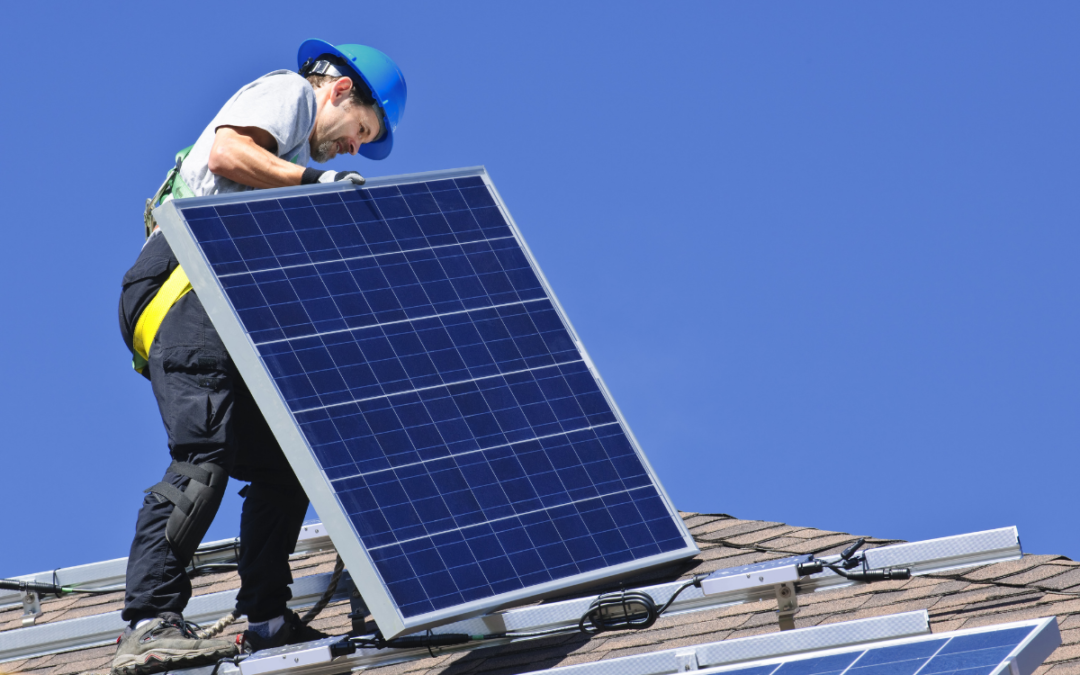
For many homeowners, electricity bills are becoming an important part of household budgeting. As energy consumption changes with the use of air conditioning, appliances, entertainment systems, home offices and other electrical equipment, finding a practical way to manage household power has become increasingly important. Solar energy offers homeowners an opportunity to generate electricity on their own property while making better use of available renewable energy.
For Townsville residents, solar can be particularly appealing because of the region’s strong sunlight. However, achieving the best results requires more than simply purchasing solar panels. A smarter approach begins with understanding household energy requirements, evaluating the property and designing a system around actual electricity usage.
Understand Where Your Electricity Goes
The first step towards planning a solar-powered home is understanding existing energy consumption. Electricity bills provide useful information about how much power a household uses, but homeowners should also consider when that electricity is being consumed.
Air conditioning can be a significant source of electricity use, particularly during warmer periods. Other major energy users may include hot-water systems, swimming pools, refrigeration, washing machines and other household appliances.
Reviewing several electricity bills can help establish an average consumption pattern. Homeowners can then consider whether most electricity is used during daylight hours or after the sun goes down. This information can influence the size and configuration of a solar system and help determine whether battery storage should be part of the plan.
Assess the Property Before Choosing a System
Every home has different solar requirements. Roof size, orientation, available installation areas and shading can all affect how effectively solar panels can generate electricity.
Trees, neighbouring structures and other obstacles can cast shadows over parts of a roof during certain times of the day. A professional property assessment can identify suitable areas for panels and help develop an installation layout that makes efficient use of available roof space.
The condition of the roof should also be considered before installation. If major repairs or replacement are likely to be required soon, completing those projects before installing solar panels may be worth considering.
Select Solar Capacity Based on Real Needs
One of the most important decisions is choosing an appropriately sized solar system. Bigger does not automatically mean better. The right system should reflect electricity consumption, roof availability, budget and future energy requirements.
For example, a small household with relatively low electricity consumption may have different requirements from a larger family using multiple air conditioners and high-energy appliances.
Working with experienced solar installers Townsville can help homeowners evaluate these factors before selecting a system. Rather than relying on a one-size-fits-all solution, professional installers can assess the property and develop a solar configuration suited to the household’s energy goals.
Consider How You Use Solar Energy
Generating solar electricity is only part of the equation. Homeowners should also consider how that electricity will be used.
When solar panels generate electricity during the day, households can use that power to operate appliances and other equipment. Running suitable energy-intensive appliances during periods of strong solar generation can increase the amount of solar electricity consumed directly within the home.
This makes household energy habits an important part of solar planning. Simple changes, such as scheduling certain appliances during daylight hours, can help households make more effective use of their solar generation.
Explore Battery Storage
Not every household needs a battery, but energy storage can be an important consideration for homeowners who use significant amounts of electricity after sunset.
A solar battery can store surplus electricity generated during periods of solar production and make that stored energy available later. This can help households use more of the energy generated by their solar system instead of allowing excess generation to go unused or be exported to the grid.
Before choosing a battery, homeowners should consider their evening electricity consumption, existing solar capacity and future energy needs. Comparing battery capacity, system compatibility and expected usage can help determine whether storage is a practical addition.
For households considering solar battery Townsville solutions, professional advice can be useful in determining how storage could fit into an existing or planned solar system.
Look at the Complete System
Solar panels, inverters, batteries and monitoring technology all play different roles in a modern energy system. Focusing on just one component can make it difficult to understand how the complete system will perform.
The inverter, for example, plays an important role in converting the electricity generated by solar panels into usable power for the home. Monitoring technology can provide information about solar production and household energy consumption, allowing homeowners to understand how their system is performing.
Choosing compatible and appropriately sized components can contribute to a more practical and reliable solar setup.
Don’t Overlook Installation Quality
The quality of installation can be just as important as the equipment selected. Homeowners should consider an installer’s experience, relevant approvals and accreditations, workmanship standards, warranties and customer support.
A professional installation should take into account the property’s characteristics and follow appropriate safety and installation requirements. Good after-sales support can also be valuable if homeowners need assistance understanding monitoring systems or maintaining their solar equipment.
Plan for Future Energy Requirements
A solar system should ideally support both current and future household needs. Electricity consumption can change as families grow, homes are renovated or new technologies are introduced.
Electric vehicles, additional air conditioning, larger appliances and other electrical upgrades may increase future electricity demand. Thinking about these possibilities before installation can help homeowners choose a system that remains useful as their requirements change.
Make the Move With a Clear Plan
Switching from conventional grid electricity to solar power is a significant household decision, but careful planning can make the process easier. Reviewing electricity consumption, assessing the property, selecting suitable system capacity and considering battery storage can help homeowners make informed choices.
For Townsville homeowners, solar can become more than a way to reduce electricity costs. It can form part of a broader strategy for producing, managing and storing energy at home.
Greencell Energy provides solar solutions for homeowners looking to make better use of renewable energy. By assessing individual energy requirements and property conditions, homeowners can work towards a solar system that fits their lifestyle rather than choosing equipment based solely on standard specifications.
A smarter Townsville home starts with understanding how energy is used today and planning for how it may be used tomorrow. With the right combination of solar generation, efficient energy use, appropriate technology and professional installation, homeowners can take greater control of their household energy journey.