
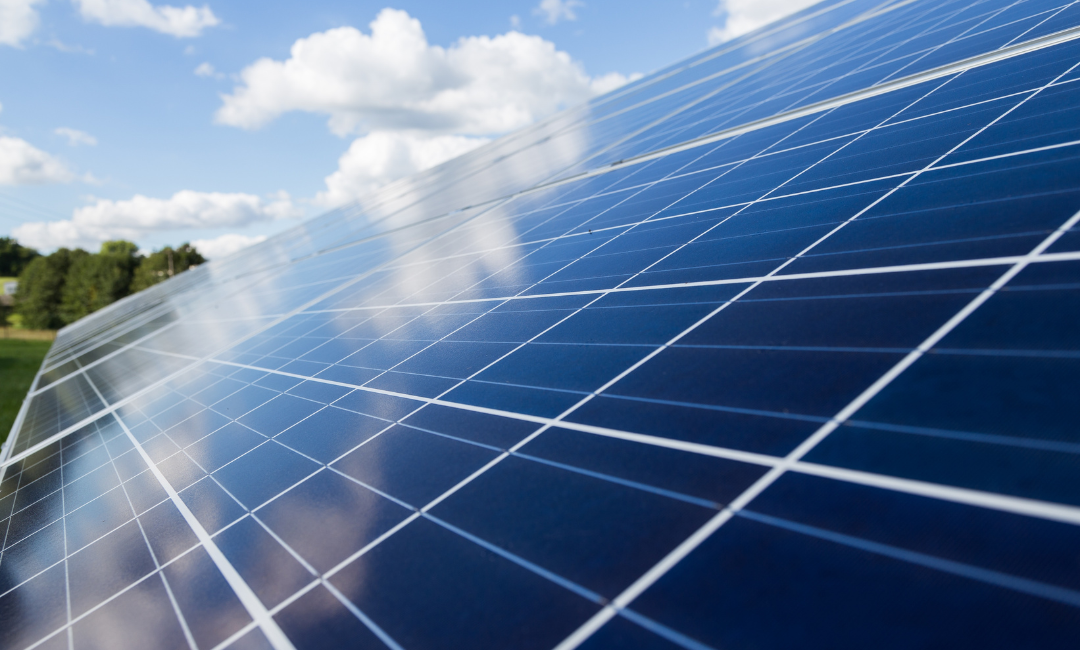
Solar panels are built to withstand outdoor conditions, but their performance can be affected by problems that are not immediately visible. While cracked glass, dirt, and physical damage are easy to recognise, electrical faults, inverter issues, and deteriorating mounting components may develop without obvious warning signs. Regular inspections can help homeowners identify these concerns and understand whether their solar systems require maintenance or repairs.
For homeowners in North Queensland, where solar installations experience humidity, heavy rainfall, and strong seasonal winds, monitoring system condition is an important part of maintaining reliable energy production.
1. Hidden Electrical Connection Faults
Solar systems contain multiple electrical connections that transfer energy from the panels to the inverter and household electrical supply. Over time, connectors, cables, and terminals may deteriorate or develop faults due to environmental exposure or installation issues.
These problems can cause inconsistent electricity generation, system interruptions, or electrical safety risks. During an inspection, a qualified technician can examine accessible connections and wiring for signs of damage, overheating, corrosion, or other abnormalities.
Identifying these issues early can help prevent further deterioration and support safer system operation.
2. Inverter Problems That Affect System Performance
The inverter plays an essential role in converting the electricity generated by solar panels into a form suitable for household use. If the inverter experiences a fault, the system may produce less electricity or stop operating altogether.
A professional inspection can include reviewing inverter warning codes, operational records, and available monitoring data. These checks may reveal repeated shutdowns, communication errors, or irregular performance that homeowners might otherwise overlook.
Technicians can also investigate whether the issue originates in the inverter or another part of the solar installation.
3. Unexpected Declines in Solar Electricity Production
A solar system may generate less electricity than expected even when its panels appear undamaged. Changes in shading, accumulated debris, equipment deterioration, and electrical faults can all contribute to reduced output.
A technician can review historical generation data and compare it with expected performance under similar weather and seasonal conditions. Where necessary, additional diagnostic testing can help identify the cause of the decline.
For homeowners researching Solar Panel Maintenance Cairns, understanding these performance changes can help them recognise when a professional assessment may be beneficial.
4. Deterioration of Mounting Components
Solar panels depend on secure mounting rails, brackets, fasteners, and roof attachments. These components help keep the panels correctly positioned and stable under changing environmental conditions.
A professional inspection may identify corrosion, loose hardware, damaged brackets, or signs that roof attachments require further assessment. Roof areas around mounting points may also need attention if there are indications of water entry.
This is particularly relevant for properties in North Queensland, where strong winds and severe weather can place additional demands on rooftop equipment. Any necessary roof or mounting repairs should be carried out by appropriately qualified professionals.
5. Moisture Exposure and Corrosion
Solar installations are exposed to rain, humidity, and temperature changes throughout their operating life. If protective enclosures, seals, or electrical components become compromised, moisture may contribute to corrosion or equipment deterioration.
During an inspection, a technician may check accessible components for corrosion, damaged insulation, compromised enclosures, or other signs of moisture exposure.
Although some defects can be identified visually, others may require specialised testing. Investigating these concerns early can help determine whether repairs are necessary before the problem affects additional components.
6. Uneven Performance Between Solar Panels
Individual panels or sections of a solar array may produce different amounts of electricity. Possible causes include partial shading, faulty connections, module deterioration, or problems affecting particular components.
Monitoring records and suitable electrical tests can help identify unusual differences in performance. Depending on the system configuration, a technician may recommend additional diagnostic methods to investigate the affected panels or circuits.
Finding the source of the problem can help avoid unnecessary replacement of equipment that is still functioning correctly.
7. Electrical Protection and Safety Concerns
A solar installation includes protective devices and electrical components designed to support safe operation. Damage, deterioration, or faults affecting these components may create risks even when the system appears to be producing electricity normally.
A professional assessment can examine relevant isolators, protective devices, wiring arrangements, and accessible equipment in accordance with applicable safety requirements.
Homeowners should never attempt to open electrical enclosures, handle exposed wiring, or test live solar equipment themselves. Electrical testing and repairs must be performed by qualified professionals.
8. Monitoring Errors and Incomplete Performance Records
Solar monitoring platforms help homeowners understand how much electricity their systems generate. However, communication problems, incorrect readings, or gaps in recorded data can make it difficult to assess actual performance.
During an inspection, a technician may review available monitoring information, investigate communication errors, and check whether the recorded figures appear consistent with the system’s operating conditions.
Keeping maintenance reports, inverter records, warranty documents, and previous repair details can also make future troubleshooting more straightforward.
When Should You Arrange a Solar Inspection?
A professional inspection may be worthwhile when you notice unexpected reductions in electricity generation, repeated inverter warnings, unusual monitoring results, or possible roof or mounting damage after severe weather.
An assessment can also be useful when purchasing a property with an existing solar installation or investigating a potential equipment warranty claim. The appropriate inspection schedule depends on the manufacturer’s recommendations, system condition, environmental exposure, and any problems previously identified.
Conclusion
Solar panel damage is not always visible from the outside. Electrical faults, inverter problems, moisture exposure, mounting deterioration, and monitoring errors can also affect a system’s performance and safety.
A professional inspection helps identify these less obvious concerns and determine whether maintenance, repairs, or further testing are required. For homeowners in North Queensland, taking a proactive approach to solar system care can help support dependable electricity generation and protect the long-term value of their investment.