
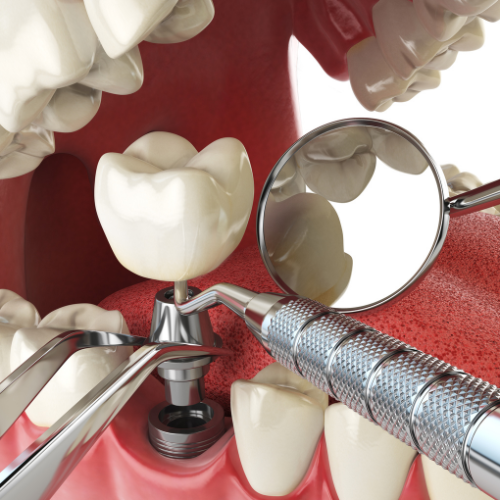
Dental implants are considered one of the most advanced solutions for replacing missing teeth, but successful outcomes depend on much more than the surgical procedure itself. While many patients focus on the dental implant placement stage, experienced dental professionals understand that the foundation of success is established long before surgery begins.
Accurate diagnosis, detailed treatment planning, and a complete understanding of a patient’s oral health condition play a crucial role in determining implant stability, comfort, and long-term performance. Modern dentistry has shifted from a procedure-focused approach toward a planning-focused model that prioritizes precision, prevention, and personalized care.
The Importance of Diagnosis Before Implant Treatment
A dental implant replaces the root structure of a missing tooth, which means it requires a strong and healthy foundation. Before recommending treatment, dental professionals must evaluate several factors that influence the final outcome.
A detailed diagnostic process may include:
- Evaluation of jawbone quality and volume
- Assessment of gum health
- Analysis of bite alignment
- Review of existing dental conditions
- Digital imaging and treatment simulations
Without this information, implant placement may involve unnecessary risks or require additional procedures later.
Why Every Patient Requires a Personalized Treatment Plan
There is no universal approach to dental implants because every patient’s oral condition is different.
Factors that influence treatment planning include:
Bone Structure
Adequate bone support is essential for implant stability. If bone loss has occurred after tooth loss, additional preparation may be required before placement.
Bite Function
The way teeth come together affects how pressure is distributed during chewing. Incorrect bite forces can place unnecessary stress on an implant restoration.
Overall Oral Health
Active gum disease, untreated decay, or existing infections may affect healing and should be addressed before implant treatment begins.
A personalized assessment ensures that treatment decisions are based on the patient’s specific needs rather than a standard approach.
Digital Technology Has Improved Implant Planning
Three-Dimensional Imaging Creates Greater Accuracy
Modern implant dentistry uses advanced imaging technologies that allow clinicians to examine the jawbone and surrounding structures in detail.
Three-dimensional scans help identify:
- Bone thickness
- Nerve locations
- Sinus positioning
- Ideal implant placement areas
This information allows professionals to create safer and more predictable treatment strategies.
Digital Planning Improves Patient Understanding
Technology also improves communication between patients and dental teams. Digital models allow patients to understand their treatment journey and the expected outcomes before procedures begin.
Better understanding helps patients make informed decisions and reduces uncertainty throughout the process.
Why Surgery Alone Does Not Determine Implant Success
A common misconception is that implant success depends only on the surgical technique. While surgical skill is important, several stages before and after surgery influence long-term results.
Important factors include:
- Accurate diagnosis
- Proper implant positioning
- Quality of restoration design
- Healing management
- Long-term maintenance
An implant placed without comprehensive planning may face avoidable complications, even when the procedure itself is performed correctly.
The Connection Between Tooth Loss and Future Oral Challenges
Replacing missing teeth is not only about filling a visible gap. Tooth loss can affect surrounding teeth, jawbone structure, and overall bite function.
When treatment is delayed, patients may experience:
- Bone deterioration
- Tooth movement
- Changes in facial support
- Increased pressure on remaining teeth
Patients searching for affordable dental implants near me should understand that successful treatment involves more than finding a procedure option. A complete evaluation helps determine whether implants are suitable and what preparation may be required.
The Role of Restorative Planning in Implant Treatment
Dental implants are often part of a broader approach to rebuilding oral function.
Through restorative dentistry, professionals consider how implants interact with existing teeth, gums, bite patterns, and long-term oral health goals.
This comprehensive approach helps ensure that the final restoration is not only stable but also comfortable and natural-looking.
Common Mistakes Patients Make Before Implant Treatment
Many implant complications can be avoided when patients understand the importance of preparation.
Common mistakes include:
- Choosing treatment without a complete evaluation
- Focusing only on initial costs
- Ignoring existing gum problems
- Delaying treatment after tooth loss
- Not considering long-term maintenance
A well-informed patient is better prepared to participate in treatment decisions and follow recommended care practices.
Maintaining Implant Health After Treatment
Successful implant care continues after placement.
Long-term maintenance includes:
- Regular dental examinations
- Proper brushing and flossing techniques
- Professional cleaning when recommended
- Monitoring gum health
- Protecting against excessive bite forces
Consistent care helps preserve both the implant and surrounding oral structures.
The Future of Implant Dentistry
Advancements in digital technology, materials, and diagnostic tools continue improving the predictability of implant treatment. The future of implant dentistry is moving toward more customized, efficient, and minimally invasive approaches.
As these innovations develop, the focus remains the same: creating treatment solutions that support natural function, comfort, and long-term oral health.
Conclusion
Dental implant success begins before surgery ever takes place. Accurate diagnosis, detailed planning, and personalized treatment strategies create the foundation for stable and predictable outcomes.
By focusing on the complete oral health picture rather than the procedure alone, modern dentistry helps patients achieve solutions that restore both function and confidence. A carefully planned implant journey is not just about replacing a missing tooth it is about protecting the health and stability of the entire smile for the future.