
A well-designed business sign can be one of the most effective tools for attracting attention, communicating a brand message, and creating a professional first impression. However, even the most creative sign can lose much of its impact if it is not installed correctly. Design and installation may seem like separate parts of the signage process, but they work together to determine how the finished product looks, performs, and lasts.
Proper installation affects more than appearance. The position of the sign, mounting method, alignment, structural support, and surrounding environment can all influence its effectiveness. For businesses investing in professional sign installation, making sure the final stage is handled correctly is just as important as choosing the right design.
Design Is Only the Beginning
The design process determines how a sign will look, but a design file does not automatically translate into a successful real-world installation. A sign may have the right colors, fonts, graphics, and dimensions, yet still look unbalanced when mounted on an actual building.
Walls may have uneven surfaces, architectural features may affect placement, and nearby structures can change viewing angles. Professional installers take these real-world conditions into account before securing the sign.
This helps ensure the finished result matches the original concept as closely as possible.
Poor Placement Can Reduce Visibility
A sign is only effective when people can actually see and read it. Incorrect placement can prevent a business from getting the full benefit of its signage investment.
For example, a sign may be blocked by landscaping, installed too high, positioned too close to another sign, or placed at an angle that makes it difficult for passing customers to notice. Even small positioning mistakes can reduce visibility.
Experienced sign installation services evaluate factors such as pedestrian movement, vehicle traffic, viewing distance, building structure, and surrounding visual distractions. This allows the sign to be positioned where it has the greatest practical impact.
Alignment and Leveling Affect Professional Appearance
A sign does not need to be complicated to look unprofessional. Poor alignment alone can make an otherwise excellent design appear unfinished.
Uneven letters, inconsistent spacing, crooked panels, or an improperly centered logo can immediately affect the appearance of a storefront. Customers may not know exactly what looks wrong, but they can still notice that the presentation feels off.
Professional installers use careful measurements and proper equipment to ensure signs are level, balanced, and aligned correctly. This attention to detail helps create the polished appearance businesses expect from custom signage.
The Right Mounting Method Matters
Different signs require different installation techniques. A lightweight interior sign cannot necessarily be mounted using the same approach as a large exterior sign or illuminated display.
Factors such as sign weight, material, mounting surface, size, and location all influence which installation method is appropriate. Choosing the wrong hardware or mounting technique can affect both the appearance and stability of the sign.
Quality sign installation services use appropriate mounting systems and installation methods based on the specific characteristics of each project.
Weather Can Affect Outdoor Signage
Outdoor signs have to withstand environmental conditions that indoor signage does not. Wind, rain, sunlight, temperature changes, and moisture can all affect an improperly installed sign.
A professional installation considers the environmental conditions surrounding the property. Secure mounting and proper positioning help reduce unnecessary movement and potential damage.
For businesses investing in sign installations long island, where signs may face changing seasonal conditions, proper installation is particularly important for maintaining long-term performance.
Large and Heavy Signs Require Experience
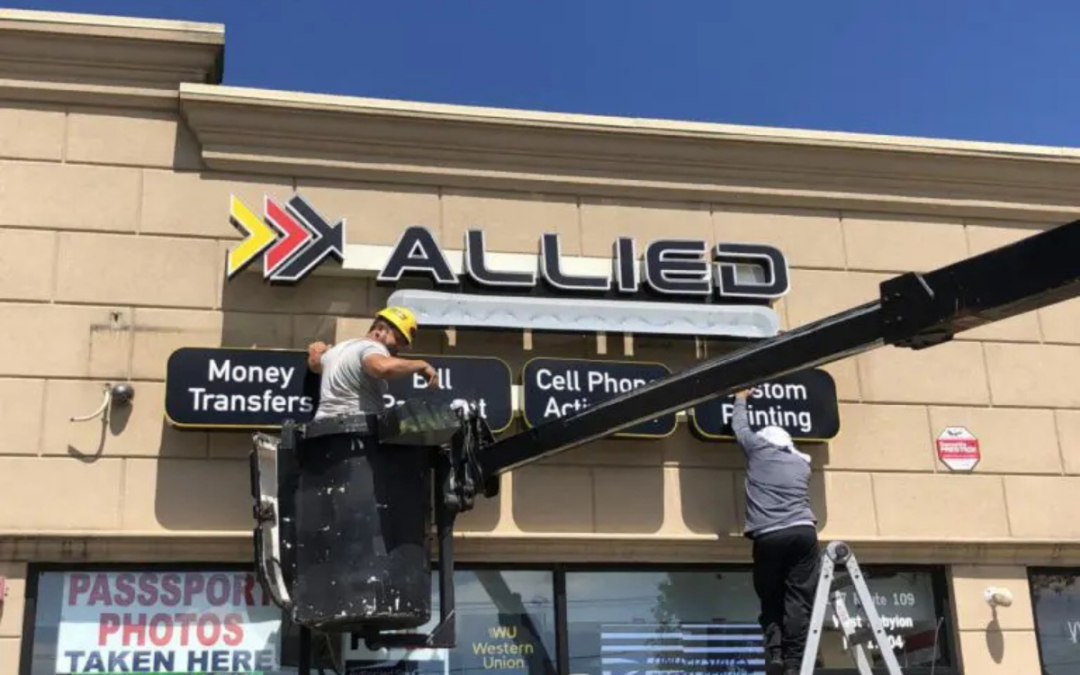
Some commercial signs are simply too large or heavy to install safely without specialized equipment and experience. Large exterior panels, dimensional letters, building signs, and illuminated displays may require lifts, specialized tools, multiple installers, and careful planning.
Attempting complex installation without the appropriate resources can create unnecessary risks for workers, customers, and the property itself.
Professional sign installation teams understand how to manage these requirements while keeping the process organized and efficient.
Installation Can Affect the Customer Experience
Signage is often designed to guide, inform, and attract customers. Poor installation can interfere with all three functions.
For example, an incorrectly positioned directional sign can confuse visitors. A storefront sign that is difficult to see can make the business harder to locate. A poorly installed lobby logo may make an office environment feel less polished.
Properly installed signage supports a smooth customer experience by making important information easy to see and creating a more organized physical environment.
Protecting Your Signage Investment
Custom signage can represent a significant investment for a business. Protecting that investment should be part of the installation plan from the beginning.
Professional installation helps reduce the chances of mounting problems, unnecessary damage, or premature wear. It also helps ensure the sign is positioned and secured according to its specific requirements.
When businesses choose reputable sign installation services, they are not simply paying for someone to put a sign on a wall. They are investing in the long-term performance and presentation of that signage.
Why Professional Installation Is Worth It
A professional installation provides several important benefits:
- Better visibility and positioning
- Improved alignment and presentation
- Proper mounting and structural support
- Greater durability
- Reduced installation-related risks
- Better protection of the signage investment
These benefits become even more important for larger, illuminated, or exterior signs that require specialized installation methods.
Choosing the Right Installation Partner
When selecting a company for sign installations long island, businesses should consider experience, workmanship, equipment, and understanding of different sign types. A good installation provider should be able to review the project requirements and identify potential challenges before installation begins.
Clear communication is also important. Discussing placement, access requirements, mounting surfaces, timelines, and installation conditions ahead of time can help prevent surprises and ensure a smoother project.
Conclusion
Great sign design creates the foundation for effective branding, but professional installation brings that design to life. Even a beautifully crafted sign can lose its impact when it is poorly positioned, incorrectly aligned, or inadequately secured. Investing in professional sign installation, choosing reliable sign installation services, and working with experienced professionals for sign installations long island can help businesses protect their investment while maximizing visibility and presentation. The final installation should make the sign look like it belongs exactly where it was designed to be-and that level of finish can make a noticeable difference in how customers see your business.